
Hybrid Grass vs Traditional Natural Grass: Which Sports Surface Is Right for Your Project?
Hybrid Grass vs Traditional Natural Grass: Which Sports Surface Is Right for Your Project?
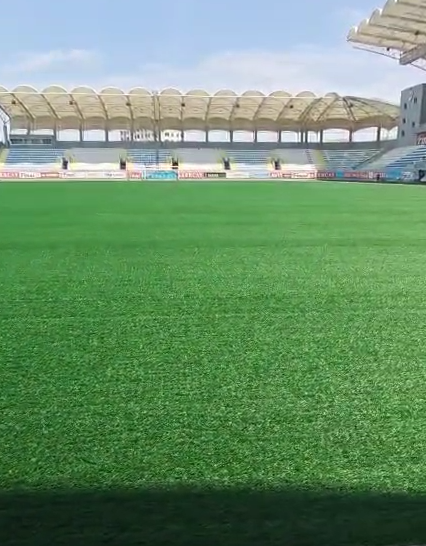
Choosing the right playing surface is one of the most important decisions for stadium owners, sports clubs, schools, municipalities, and contractors. While traditional natural grass has been used for decades, hybrid grass has become an increasingly popular solution for facilities that require higher durability while maintaining the look and feel of natural turf.
This guide compares hybrid grass and traditional natural grass to help B2B buyers select the most suitable solution for their projects.
What Is Hybrid Grass?
Hybrid grass combines natural grass with specially designed synthetic fibers that reinforce the root zone. The synthetic fibers help improve surface stability while allowing natural grass to grow between them.
The result is a playing surface that maintains the appearance and playing characteristics of natural grass while providing additional reinforcement in high-use areas.
What Is Traditional Natural Grass?
Traditional natural grass is grown directly in prepared soil without synthetic reinforcement.
It offers a natural playing experience and attractive appearance but depends heavily on weather conditions, maintenance practices, and recovery time after intensive use.
Comparison at a Glance
Hybrid Grass
- Reinforced natural grass surface
- Better resistance to wear in busy areas
- Supports more frequent use
- Suitable for professional sports venues
- Requires regular natural grass maintenance
Traditional Natural Grass
- 100% natural playing surface
- Lower initial installation complexity
- Suitable for parks and lower-use facilities
- Recovery depends on grass growth
- Maintenance remains essential
Durability
Sports fields experience repeated running, turning, and sliding.
Hybrid grass helps strengthen the root zone, reducing surface movement in frequently used areas such as:
- Goal mouths
- Center circles
- Team warm-up areas
- High-traffic training zones
Traditional natural grass can also perform well when properly maintained, but heavily used areas may require more frequent repair and recovery.
Playing Performance
Many clubs prefer natural grass because of its familiar appearance and playing characteristics.
Hybrid grass maintains these characteristics while improving surface consistency throughout the season.
Performance still depends on several factors, including:
- Base construction
- Drainage design
- Irrigation
- Grass variety
- Maintenance program
Maintenance Requirements
Both systems require professional maintenance.
Typical maintenance includes:
- Mowing
- Irrigation
- Fertilization
- Aeration
- Overseeding when required
- Surface inspection
Hybrid grass is not maintenance-free. The natural grass component still requires routine care to remain healthy.
Drainage Considerations
An effective drainage system is important regardless of the turf system selected.
A properly designed sports field should allow water to move efficiently through the construction layers, helping reduce standing water and supporting field usability after rainfall.
Professional field design should always consider local climate and soil conditions.
Suitable Applications
Hybrid Grass is commonly selected for:
- Professional football stadiums
- Rugby fields
- Elite training centers
- University sports facilities
- High-use municipal sports complexes
Traditional Natural Grass is often suitable for:
- Community parks
- School playgrounds
- Recreational sports fields
- Residential estates
- Decorative landscapes
Factors to Consider Before Purchasing
Before selecting a sports turf system, buyers should evaluate:
- Expected annual playing hours
- Local climate
- Maintenance resources
- Construction budget
- Drainage conditions
- Project schedule
- Long-term operating costs
Working with an experienced supplier during the planning stage can help identify the most suitable solution for your specific project.
Questions to Ask Your Supplier
Before placing an order, consider discussing the following topics:
- What hybrid grass system is recommended for my project?
- What roll sizes are available?
- What installation guidance can be provided?
- What maintenance recommendations are suggested after installation?
- Can product samples be supplied?
- What production lead time should be expected?
- Is technical support available during the project?
These discussions help improve project planning and reduce procurement risks.
Why Many Professional Projects Consider Hybrid Grass
For facilities with frequent use, hybrid grass offers a practical balance between natural appearance and improved surface reinforcement.
It allows venues to maintain a natural grass field while increasing durability in areas that experience repeated player movement.
Each project is unique, and the best solution depends on performance requirements, maintenance capability, budget, and long-term facility goals.
Conclusion
There is no single sports surface that fits every project.
Traditional natural grass remains an excellent choice for many applications, while hybrid grass provides additional reinforcement for facilities that demand higher usage and consistent playing conditions.
By carefully evaluating project requirements and working with an experienced manufacturer, buyers can select a solution that supports long-term field performance and efficient maintenance.
Champion Grass supplies hybrid grass solutions for sports facilities, contractors, distributors, and project developers worldwide. We welcome inquiries for product information, technical discussions, and customized project support.
 Hybrid Grass vs Traditional Natural Grass: Which Sports Surface Is Right for Your Project?
 How to Choose the Right Artificial Turf for Commercial Landscaping Projects
 How to Choose the Right Artificial Grass for Landscaping, Sports, and Commercial Projects
 Artificial Grass Installation for a Kindergarten Rooftop